
How Many Cigarettes Is an 8,000 Puff Vape Worth? The Replacement Maths

Ask any vaper or anyone considering a switch and this comes up quickly: how many cigarettes does an 8,000 puff device actually stand in for? It sounds like it should have one answer. It has three, and they are ten times apart, which is why the question keeps generating confusion rather than clarity.
This guide settles the arithmetic, then does something more useful with it: it turns the answer into a replacement schedule. If you smoke ten cigarettes a day, twenty or thirty, you can work out exactly how long any device in the range available from IDIBAPS will last you, how often you need to reorder, and which device actually suits your habit rather than your wish list.
The short version: by liquid volume, an 8,000 puff device with 18–20 ml of e-liquid is about 18–20 packs of cigarettes. Counted puff for puff, about 33–40 packs. Measured by the nicotine actually in the bottle, closer to 4 packs. And the puff count printed on the box is a laboratory measurement, not a promise about your evening.
1. Why one number cannot answer the question
Three things make a “puff” an unstable unit, and none of them are visible on the box.
- Draw length. A one-second sip and a four-second lung pull are entirely different events. Longer draws pull more liquid through the wick and generate more aerosol, so the tank empties faster.
- Device behaviour. Coil resistance, wattage and airflow all change how much liquid one puff costs you. A 1.0 Ω mesh and a 0.6 Ω dual mesh do not treat the same liquid the same way.
- Your routine. The single biggest variable. The same device can be gone in nine days or still going in ten weeks, and nothing printed on the packaging will change that.
Then there is the measurement problem, which is the part most discussions skip. Advertised puff counts come from automated machines. The recognised protocol — ISO 20768 — specifies a 55 ml, three-second draw every thirty seconds, but no regulation obliges brands to use it. Plenty test with a one-second puff on an identical device, which roughly doubles the headline number before the packaging is printed.
Independent work has measured the gap. A 2024 comparative study ran five popular “5,000 puff” devices through standardised ISO testing and recorded actual delivery between 1,930 and 4,010 puffs, with two brands under 43% of their claim. A 2025 Global Vaping Research Consortium analysis put the failure rate for new-generation disposables at 42% against advertised counts under the same conditions, and Action on Smoking and Health in the UK found 73% of devices claiming over 4,000 puffs delivered less than half of it before the coil failed or the battery gave out.
What real use looks like depends on draw length, and the relationship is well documented:
| Draw length | Real puffs as a proportion of the advertised figure |
|---|---|
| 1 second — the short puff many brands use for testing | 90–100% |
| 2 seconds | 55–70% |
| 3 seconds — the ISO 20768 standard | 40–55% |
| 4 seconds and longer | 30–45% |
An 8,000 puff device drawn on normally, at around three seconds, delivers closer to 3,500–4,400 puffs in practice, and some estimates put a genuinely used 8,000 rated unit nearer 2,000.
2. The same device, three answers
With that established, the equivalence question can be answered properly — by showing all three methods rather than picking the flattering one.
| Method | The calculation | Result for an 8,000 puff, 18–20 ml device |
|---|---|---|
| Liquid volume | The retail rule of thumb treats 1 ml of e-liquid as roughly one pack of cigarettes | About 18–20 packs |
| Puff count | Advertised puffs divided by 10–12 puffs per cigarette | About 33–40 packs |
| Nicotine content | 20 ml at 50 mg/mL is 1,000 mg of nicotine, against roughly 10–12 mg in a cigarette | About 4 packs of tobacco nicotine |
A ten-fold spread on one device is not a rounding error, and it is the reason any single figure offered as “the answer” should be treated with suspicion. Volume is the closest thing to an industry standard and the easiest for a buyer to verify. Puff count is the method most often quoted online. Nicotine content is the one that matters if you are comparing doses — with the caveat that it compares nicotine present in the bottle against nicotine present in tobacco, when a smoker absorbs only around 1–2 mg from a cigarette and only part of what is vaporised is absorbed at all.
3. What the evidence actually says about replacing cigarettes with vaping
Because the question is often asked out of concern about health, it is worth separating the arithmetic from the science, because they answer different things.
A cigarette burns at 600–900 degrees Celsius and produces tar, soot, carbon monoxide and thousands of combustion by-products. A vape device heats liquid at roughly 180–250 degrees Celsius and produces none of those. Cochrane’s review of vaping as a cessation tool found high-certainty evidence that vaping increases quit rates compared with nicotine replacement therapy, and biomarker studies consistently show lower tobacco-specific toxicant exposure after smokers switch. The honest summary is that vaping is substantially less harmful than smoking while still carrying real risks: fine particles still deposit in lung tissue, thermal by-products are still present, and nicotine remains genuinely addictive. It is not a neutral product, and it is not a tool for people who do not already smoke. The 2019 EVALI lung scare, for the record, was traced to vitamin E acetate in illicit THC cartridges and has no established connection to regulated nicotine products.
In Australia the framework is tight. Nicotine vaping products are therapeutic goods: above 20 mg/mL nicotine is Schedule 4 and requires a prescription from a doctor or nurse practitioner, at 20 mg/mL or below it can be Schedule 3 and pharmacist-supplied where state and territory law allows, and zero-nicotine devices are treated the same way. Under TGO 110 the permitted ingredients are limited to nicotine, propylene glycol, glycerol and water, flavours are restricted to mint, menthol and tobacco, and nicotine is capped at 50 mg/mL. The minimum age is 18.
4. The number to plan with: millilitres, not puffs
Liquid volume is fixed, printed, and impossible to inflate. Real-world testing supports roughly 200 to 400 puffs per millilitre at human draw lengths, which converts any volume into a realistic puff count and a realistic duration. The table below adds the metric we use to judge how stretched each claim is: claim density, which is advertised puffs divided by millilitres of liquid.
| Device | Advertised | E-liquid | Claim density | Realistic puffs | Realistic days at 240/day |
|---|---|---|---|---|---|
| ALIBARBAR INGOT 9000 | 9,000 | 22 ml | 409 per ml | 4,400–8,800 | 18–37 |
| SWIX 9000 | 9,000 | 18 ml | 500 per ml | 3,600–7,200 | 15–30 |
| GROO MAX 10000 | 10,000 | 20 ml | 500 per ml | 4,000–8,000 | 17–33 |
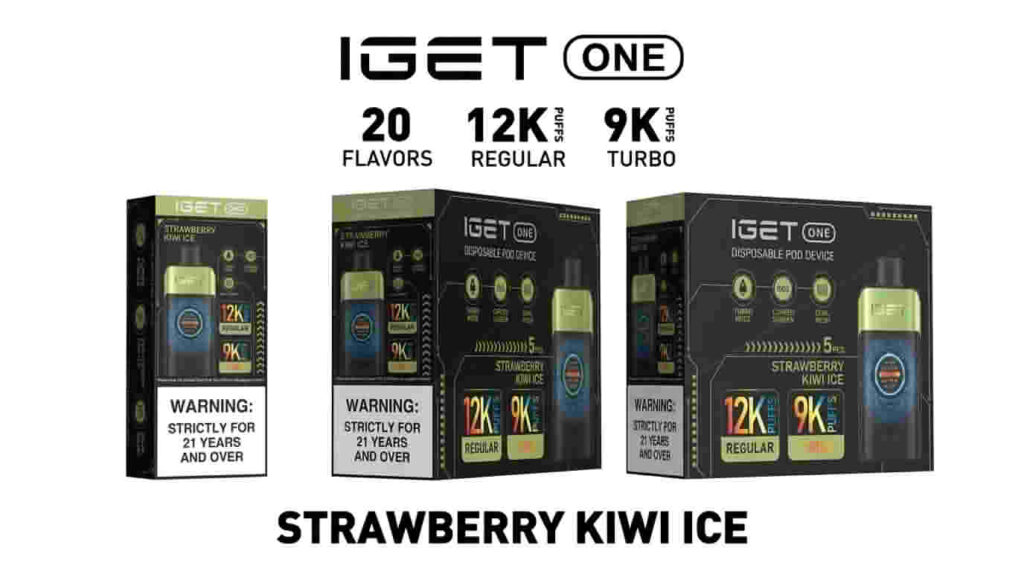
| IGET ONE 12000 | 12,000 | 18 ml | 667 per ml | 3,600–7,200 | 15–30 |
| WALA POP 10000 | 10,000 | 18 ml | 556 per ml | 3,600–7,200 | 15–30 |
| WALA YO 18000 | 18,000 | 18 ml | 1,000 per ml | 3,600–7,200 | 15–30 |
| SOEKE S9 28000 | 28,000 | 28 ml | 1,000 per ml | 5,600–11,200 | 23–47 |
| SOEKE S7 6000 | 6,000 | 10 ml | 600 per ml | 2,000–4,000 | 8–17 |
The last column uses 240 puffs a day, which is the equivalent of a twenty-cigarette-a-day smoker using ten to twelve puffs per cigarette. Two patterns stand out. The INGOT makes the most restrained claim in the range at 409 puffs per millilitre, against 1,000 for both the YO and the S9 — so it is the device most likely to deliver something close to its number. And the two biggest advertised devices hold the same liquid volume as much smaller machines, which is precisely why they should be bought with realistic expectations rather than with the headline figure in mind.
5. Your replacement schedule
Now the part that answers the original question in practical terms. Cigarettes per day convert to puffs per day at ten to twelve puffs each, and from there a device’s realistic puff count converts straight into days of use.
| Smoking | Equivalent puffs per day | ALIBARBAR INGOT 9000 | SWIX 9000 | SOEKE S9 28000 | SOEKE S7 6000 |
|---|---|---|---|---|---|
| 10 cigarettes a day | 100–120 | 37–88 days | 30–72 days | 47–112 days | 17–40 days |
| 20 cigarettes a day | 200–240 | 18–44 days | 15–36 days | 23–56 days | 8–20 days |
| 30 cigarettes a day | 300–360 | 12–29 days | 10–24 days | 16–37 days | 6–13 days |
Read that as a monthly order rather than a daily one. For a twenty-a-day smoker, one INGOT covers roughly a month and the S9 covers a little over a month — while the S7 at 6,000 puffs runs through in under three weeks and means ordering more often for less total use. For a heavier 30-a-day smoker the picture tightens: the same devices last roughly two-thirds as long, and the difference between the smallest and largest becomes the difference between ordering monthly and ordering fortnightly.
One planning caveat: a device that dies before its liquid is gone changes all of this, because the wasted liquid and the dead cell are yours to pay for. That is the single biggest practical reason to prefer a device with a larger cell over one with a bigger number on the box.
6. The scorecard
Because the headline puff number cannot rank products, five other criteria can: whether the experience holds from first draw to last, whether the cell outlasts the liquid, how well the liquid is used and the flavour preserved, how the device handles in the hand, and what the performance is worth against the price.
| Device | Consistency | Battery | Liquid & flavour | Design | Value | Total |
|---|---|---|---|---|---|---|
| ALIBARBAR INGOT 9000 | 8 | 9 | 9 | 10 | 7 | 43/50 |
| SWIX 9000 | 8 | 8 | 9 | 8 | 9 | 42/50 |
| WALA POP 10000 | 8 | 8 | 9 | 7 | 9 | 41/50 |
| GROO MAX 10000 | 8 | 8 | 9 | 7 | 8 | 40/50 |
| WALA YO 18000 | 7 | 8 | 9 | 9 | 7 | 40/50 |
| SOEKE S9 28000 | 7 | 8 | 8 | 8 | 8 | 39/50 |
ALIBARBAR INGOT 9000 — 43/50. The metal-bodied reference point: a 2,350 mAh cell matched to 22 ml, an LED readout showing battery and liquid separately, 23 flavours built in layers rather than as one sweet note, and the most conservative claim in the range. Only the price holds it back, and it is not rechargeable.
SWIX 9000 — 42/50. Eighteen millilitres, a rechargeable Type-C cell, adjustable airflow and a screen, with seventeen flavours that lean coffee, cream and dessert. The strongest all-round value here, and the one most people are pointed towards when they want a long, well-behaved device without paying a premium.
WALA POP 10000 — 41/50. Ten thousand puffs, 18 ml, a rechargeable cell and an LED display, plus twenty-five flavours once the five POP exclusives are counted. The best flavour-to-price ratio in the range, and the device most likely to stay in your pocket.
GROO MAX 10000 — 40/50. Twenty millilitres, a 650 mAh Type-C cell and the largest flavour library we stock, with the same 500 puffs per millilitre claim density as the SWIX. Functional rather than refined, but it does everything adequately and lasts a long time.
WALA YO 18000 — 40/50. The best screen and the slimmest body of the big three, at 3.5% nicotine with a dual mesh. Held back entirely by arithmetic: 1,000 advertised puffs per millilitre against the INGOT’s 409 makes it the most stretched claim in the range, so its real-world output is closer to a 7,000 puff device.
SOEKE S9 28000 — 39/50. Twenty-eight millilitres, the largest reservoir on the shelf, a dual mesh, a rechargeable cell and a smart display. Genuinely the longest-lasting device here in real time, and the same 1,000 puffs per millilitre claim density as the YO. At 5% nicotine it is also the harshest.
7. Choosing well, and checking before you trust it
- Start from millilitres, not from the number on the box. Take the volume, multiply by 300 for a middle-of-the-road real puff count, and divide by your daily draws. That is your replacement schedule.
- Match the device to the habit, not to the headline. A moderate smoker wanting one device a month should look at the INGOT or the S9. A heavy smoker needing more frequent replacements can get there more cheaply with a 9,000-puff device than with several small ones.
- Choose on cell size where the choice exists. A bigger cell means the liquid outlasts the charge. Devices with a readout showing both figures — the INGOT and the S9 both have one — make this visible.
- Pick the flavour library you will actually rotate through. Twenty-five flavours you like beats twelve you tolerate.
- Verify the device when it arrives. Look for the mg/mL figure on the back label or the seal sticker near the lot number, and check the batch or lot code against the manufacturer’s verification service where one exists. Counterfeit devices regularly carry the wrong nicotine level and sometimes less liquid than the box claims — and a device holding less liquid than advertised looks like a failed device rather than a fake one.
Every model listed at idibaps.com carries its published specification — battery, coil type, e-liquid volume and nicotine strength — so you can do that comparison before you spend anything rather than after.
Conclusion
The question is worth taking apart rather than answering. The same 8,000 puff device is 18–20 packs by liquid volume, 33–40 packs by puff count and about 4 packs of tobacco nicotine by content, and any source quoting a single number has quietly picked one of those methods for you.
What does not vary is that the number printed on the box is a laboratory figure produced at a draw length most people do not use, and that standardised testing of real batches has repeatedly found delivery well short of it. The volume on the box is fixed, and 200–400 real puffs per millilitre is a sound planning rule. So plan in millilitres, convert to days using your own smoking rate, and judge the brand on how well it manages its liquid rather than on how large its headline number is. The device that fits your routine is the one that empties when you expect it to, and nothing else on the packaging tells you that.
Frequently asked questions
How many cigarettes does an 8,000 puff vape replace?
By liquid volume, treating 1 ml as roughly one pack, an 8,000 puff device holding 18–20 ml is about 18–20 packs. By puff count at 10–12 puffs per cigarette, about 33–40 packs. By the nicotine actually inside the bottle, around 4 packs of tobacco nicotine. If you only need one number, use the volume — it is fixed, printed and impossible to inflate.
How long does one device last a pack-a-day smoker?
For a twenty-cigarette-a-day smoker at ten to twelve puffs each, an 18 ml device covers roughly 15–30 days in real use, a 22 ml device roughly 18–44 days, and a 28 ml device roughly 23–56 days. A thirty-a-day smoker gets about two-thirds of that from the same devices.
Is the puff count printed on the box accurate?
It is a laboratory measurement, and the protocol varies. ISO 20768 specifies a 55 ml, three-second draw every thirty seconds, but brands are not obliged to use it, and many test with a one-second puff that roughly doubles the figure. Independent testing has found five “5,000 puff” devices delivering between 1,930 and 4,010 puffs under standardised conditions, and 42% of new-generation disposables missing their advertised counts.
Should I buy the biggest device available?
Usually yes, because the fixed costs — shell, cell, display — are spread across more liquid and the cost per puff falls. But check the claim density before you commit: a 28,000 puff claim on 28 ml is a different proposition from an 18,000 puff claim on the same 18 ml. Both stretch the number, and the INGOT at 9,000 puffs on 22 ml is the most conservative claim in the range.
Why does my device stop working before the liquid is gone?
The cell has been undersized for the reservoir, or the coil is running hotter than the cell can sustain for long. That is a genuine failure and it is worth reporting rather than tolerating. Where you have a choice, pick the device with the larger cell, and pick one that shows battery and liquid levels separately so you can see which is running out first.
Is vaping as bad for you as smoking?
No, and the evidence on that point is reasonably clear. Cigarettes burn at 600–900 degrees Celsius and generate tar, soot and carbon monoxide; a vape heats liquid at 180–250 degrees Celsius and generates none of those. Cochrane found high-certainty evidence that vaping increases quit rates versus nicotine replacement therapy, and biomarker studies show lower toxicant exposure after switching. It is still not harmless and not appropriate for non-smokers or anyone under 18.
Can I recharge a disposable vape?
Only if it was built with a charging port, which larger devices increasingly include and mark clearly. A sealed device has no port, and forcing power into one is a genuine safety risk with the lithium cell inside. If it is not sold as rechargeable, treat it as single use.
How do I tell whether a device is genuine?
Check the mg/mL figure on the back label or seal sticker near the lot number, and check the batch or lot code against the manufacturer’s verification service where one exists. Genuine product carries a scratch-off code. Counterfeits often carry a different nicotine level and sometimes less liquid than the box claims, which makes a genuine device look like a dud.
What are the rules for buying vapes in Australia?
Nicotine vaping products are regulated as therapeutic goods. Above 20 mg/mL nicotine is Schedule 4 and needs a prescription from a doctor or nurse practitioner; at 20 mg/mL or below it can be Schedule 3 and pharmacist-supplied where state and territory law allows. Under TGO 110 the permitted ingredients are limited to nicotine, propylene glycol, glycerol and water, flavours are restricted to mint, menthol and tobacco, and nicotine is capped at 50 mg/mL. The minimum age is 18.
Which device gives the best value per puff?
On the numbers, the SWIX 9000 and the WALA POP 10000: both pair nine to ten thousand advertised puffs with a rechargeable cell at mid-range pricing, and the POP adds twenty-five flavours on top. The ALIBARBAR INGOT is the better-built device but costs more per puff, which is a fair trade only if you value the build, the display and the layered flavours.
References
- ISO 20768:2018 and CORESTA RM No. 81 — the recognised puff-count test protocol (55 ml, 3-second draw, 30-second interval)
- Global Vaping Research Consortium (2025) and 2024 ISO-standardised comparative testing of high-puff disposable devices
- Action on Smoking and Health (UK) — findings on delivered puff counts against advertised counts in disposables
- Therapeutic Goods Administration — Therapeutic Goods (Standard for Therapeutic Vaping Goods) Order 2021 (TGO 110) and current guidance on nicotine scheduling (tga.gov.au)
- Cochrane Database of Systematic Reviews — Vaping for smoking cessation (electronic cigarette review)
- Tobacco in Australia — Chapters 18.5 and 18.13: chemicals in e-liquids and aerosols, and the regulation of vapes in Australia
Author: Mia Lawson, Content Editor at IDIBAPS. Written for adults aged 18 and over. This is general information and not medical advice. Disposable device specifications vary by batch and market — confirm the nicotine strength and e-liquid volume on the packaging of the device you receive. If you smoke and are considering a change, speak to your doctor or pharmacist about the options available to you in Australia.
It is one of the most searched questions in the Australian vaping market, and it deserves a straight answer before it deserves a complicated one: “how many cigarettes is an 8,000 puff vape equivalent to?” People ask it for three different reasons — to work out how long the device will last, to work out whether it is cheaper than smoking, and occasionally to make sense of a health comparison. Each of those deserves a different answer, and none of them is the tidy number the question is hoping for.
This guide works through the arithmetic honestly, then scores the disposable range available from Oz-vapes on the five dimensions that actually determine whether a device delivers what it promises. The short version up front: on e-liquid volume, an 8,000 puff device is roughly 18–20 packs of cigarettes; on puff-for-puff conversion, roughly 33–40 packs; on the nicotine actually inside the bottle, closer to 4. Same device. Three defensible methods. That spread is the whole story.
Why the boxed puff number cannot answer the question: advertised puff counts are produced by automated machines, not by people. The recognised standard — ISO 20768 — uses a three-second draw, but many brands test with a one-second draw on an identical device, which inflates the headline figure before the packaging is printed.
1. Why puff-for-puff conversion breaks down
Three variables make a “puff” an unstable unit, and none of them are in your control when you read the number off the box.
- How long the draw is. A one-second sip and a four-second lung inhale are completely different events. Longer draws pull more liquid through the wick and produce more aerosol, so the device reaches the end of its tank sooner.
- What the device is doing while you draw. Coil resistance, wattage and airflow all change how much liquid a single puff consumes. A 1.0 Ω mesh and a 0.6 Ω dual mesh do not treat the same volume of liquid the same way.
- Your own habits. This is the biggest factor of all. The same device lasts one person a fortnight and another person two months, and no printing on the packaging will change that.
Add the protocol problem and the conversion breaks completely. A 2024 comparative study that ran five popular “5,000 puff” devices through standardised ISO testing recorded actual counts between 1,930 and 4,010, with two brands delivering under 43% of their claim. A 2025 Global Vaping Research Consortium analysis put the failure rate for new-generation disposables at 42% against their advertised counts under standardised conditions, and Action on Smoking and Health in the UK found that 73% of devices claiming over 4,000 puffs delivered less than half of that before the coil failed or the battery died. The number on the box is a measurement of a machine’s behaviour at a chosen setting. It is not a measurement of your evening.
2. What the real-world numbers look like
Published testing and retailer guidance converge on a consistent pattern: how much of the advertised count you actually get depends almost entirely on draw length.
| Draw length | Real puffs as a share of the advertised figure |
|---|---|
| 1 second — the short lab puff many brands use for testing | 90–100% |
| 2 seconds | 55–70% |
| 3 seconds — the ISO 20768 standard | 40–55% |
| 4 seconds and above | 30–45% |
Apply that to the device in the title. An 8,000 puff device at a realistic three-second draw delivers something closer to 3,500–4,400 puffs in practice, and some independent estimates put a genuinely-used 8,000 rated unit nearer 2,000. At 250 puffs a day that is roughly a fortnight; at 500 puffs a day, about a week. The honest answer to “how long will it last” is never “X cigarettes” — it is “however long you take to get through the tank, and a tank is about 18–20 ml of liquid.”
3. The metric that holds up: e-liquid volume
Liquid volume is fixed, printed on every box, and impossible for a brand to inflate. It is the number to plan with. A useful working figure from real-world testing is roughly 200 to 400 puffs per millilitre at human draw lengths, which turns any volume into a realistic puff count and a realistic duration.
Here is the Oz-vapes range on the two numbers that matter, with the claim density alongside them. Claim density is simply advertised puffs divided by millilitres of liquid — the higher it goes, the more stretched the headline figure is relative to what is physically in the tank.
| Device | Advertised puffs | E-liquid | Claim density | Realistic puffs | Days at 250/day |
|---|---|---|---|---|---|
| ALIBARBAR INGOT 9000 | 9,000 | 22 ml | 409 per ml | 4,400–8,800 | 18–35 |
| SWIX 9000 | 9,000 | 18 ml | 500 per ml | 3,600–7,200 | 14–29 |
| GROO MAX 10000 | 10,000 | 20 ml | 500 per ml | 4,000–8,000 | 16–32 |
| IGET ONE 12000 | 12,000 | 18 ml | 667 per ml | 3,600–7,200 | 14–29 |
| WALA POP 10000 | 10,000 | 18 ml | 556 per ml | 3,600–7,200 | 14–29 |
| WALA YO 18000 | 18,000 | 18 ml | 1,000 per ml | 3,600–7,200 | 14–29 |
| SOEKE S9 28000 | 28,000 | 28 ml | 1,000 per ml | 5,600–11,200 | 22–45 |
| SOEKE S7 6000 | 6,000 | 10 ml | 600 per ml | 2,000–4,000 | 8–16 |
Two things jump out. The INGOT makes the most conservative claim in the range — 409 advertised puffs per millilitre, against 1,000 for the YO and the S9 — so it is the device most likely to deliver something close to its number. And the two 18,000 and 28,000 puff devices hold the same 18 and 28 ml as much smaller machines, which is exactly why they are the two you should buy with realistic expectations rather than with the headline number in mind.
4. Now the cigarette question, three ways
With the numbers above in hand, the equivalence question can finally be answered honestly — by showing that it has three answers.
| Method | How it works | An 8,000 puff, 18–20 ml device |
|---|---|---|
| By liquid volume | The retailer rule of thumb treats 1 ml of e-liquid as roughly one pack of cigarettes | About 18–20 packs |
| By puff count | Divide advertised puffs by 10–12 puffs per cigarette | About 33–40 packs |
| By nicotine content | 20 ml at 50 mg/mL is 1,000 mg of nicotine in the bottle, against roughly 10–12 mg in a cigarette | About 4 packs of tobacco nicotine |
The spread is not a rounding error — it is ten times. That is why anyone selling a single number is selling you a slogan. The liquid-volume method is the closest to standard retail practice, the puff method is the one most often quoted online, and the nicotine-content method is the one that matters most for comparing doses. Note also that the fourth column of that table compares nicotine present in the bottle with nicotine present in tobacco: a smoker absorbs only around 1–2 mg from a cigarette, and only a portion of what is vaporised is absorbed at all.
One more caution on the health framing, because it is asked often. Puffs-to-cigarettes is not a health comparison. Cigarettes involve combustion at 600–900 degrees Celsius, producing tar, soot and carbon monoxide; a vape device heats liquid at roughly 180–250 degrees Celsius and produces none of those. The meaningful comparison is vaping against smoking, and it is a different question with a different answer. It is also worth remembering that in Australia nicotine vaping products are therapeutic goods: above 20 mg/mL nicotine is Schedule 4 and needs a prescription, and under TGO 110 the permitted ingredients are limited to nicotine, propylene glycol, glycerol and water with flavours restricted to mint, menthol and tobacco. The minimum age is 18.
5. The scoring framework
Because the headline number cannot rank products, these five criteria can. Each device is marked out of ten on each, for a maximum of fifty.
| Criterion | What it measures |
|---|---|
| Puff consistency & realism | Whether the experience holds from the first draw to the last, and whether the advertised count survives contact with a real user |
| Battery efficiency & longevity | Whether the cell outlasts the liquid. A device that dies first has failed, whatever the box says |
| Liquid utilisation & flavour integrity | How much of the reservoir is actually used, and whether the flavour holds its character to the end |
| User experience & design | Ergonomics, draw activation, portability and whether the device tells you what is happening |
| Value proposition | What the performance is worth against the price, accounting for reliability |
6. ALIBARBAR INGOT 9000 — the most honest claim in the range
Twenty-two millilitres, 9,000 advertised puffs and the most restrained claim density of anything we stock. It is also the only device here that tells you what is left: the LED readout shows battery and liquid separately, so you are never surprised by one running out before the other.
Puff consistency & realism — 8/10
At 409 advertised puffs per millilitre, this is the device most likely to deliver something close to the number on the box, and independent testing of the INGOT has landed in the region of 7,000–8,000 puffs from a 22 ml tank. The 1.2 Ω mesh runs cooler than a low-resistance build, which keeps the vapour even and the flavour stable across a long device.
Battery efficiency & longevity — 9/10
A 2,350 mAh cell against 22 ml is the best-balanced pairing in the range: the liquid outlasts the charge, which is the correct order of events. The readout means you know which one is closer to done, so you retire the device on your terms rather than when the cell gives up.
Liquid utilisation & flavour integrity — 9/10
Twenty-three flavours built in layers rather than as a single sweet note, and they hold their character for most of the device’s life with no obvious decline in the second half. Because the volume is large and the temperature steady, very little of the liquid goes to waste.
User experience & design — 10/10
This is the one category where the INGOT is untouchable. The metal body has a weight and thermal feel that no plastic disposable manages, the angular shape sits properly in the hand, and at around 90 g it still disappears into a pocket. It is the only device on this list that feels like an object rather than a consumable.
Value proposition — 7/10
The one weak spot. It is not rechargeable, it is not the cheapest thing we sell, and 22 ml is generous rather than enormous. You are paying for materials, temperature control and the display, which is a fair trade if you notice those things and a poor one if you are counting cost per puff.
Total: 43/50
7. SWIX 9000 — the value benchmark
Eighteen millilitres, 9,000 advertised puffs, a rechargeable Type-C cell, an LED screen and adjustable airflow. The SWIX is the device we point people at when they want a long, well-behaved device without spending premium money.
Puff consistency & realism — 8/10
At 500 advertised puffs per millilitre, the claim is more aggressive than the INGOT but less stretched than the 18,000 and 28,000 puff devices. Output is consistent from the first puff onward, and the adjustable airflow lets you tune the draw rather than living with whatever the factory set.
Battery efficiency & longevity — 8/10
The 650 mAh cell is small by the standards of a rechargeable device, but it recharges over USB-C and the LED screen shows the level, so the weakness is visible rather than mysterious. Liquid and battery deplete at roughly the same rate, which is the balance you want.
Liquid utilisation & flavour integrity — 9/10
Seventeen flavours with a coffee, cream and dessert lean — Caramel Latte, Acai Bomb, Banana Smoothie, Blueberry Bubble Gum — and the range is the most distinctive in the store. Flavour holds as the liquid runs down because the mesh runs at a moderate temperature.
User experience & design — 8/10
A functional, tidy device with two genuinely useful features: the airflow adjustment and the display. It will not win a design award.
Value proposition — 9/10
Nine thousand puffs, a rechargeable cell and real airflow control at a mid-range price. On the numbers this is the strongest value in the range, and the fact that it is rechargeable means the cell cost disappears after the first purchase.
Total: 42/50
8. WALA POP 10000 — the balanced everyday choice
Ten thousand puffs, 18 ml, a 1.0 Ω mesh, a rechargeable cell and an LED display, with 25 flavours once you count the five POP exclusives. It does not lead on any single dimension, and it does not need to.
Puff consistency & realism — 8/10
At 556 advertised puffs per millilitre, the claim sits in the middle of the range, and real-world delivery should land in the 3,600–7,200 window. The mesh at moderate resistance keeps the draw steady and the coil well inside its comfort zone.
Battery efficiency & longevity — 8/10
Eighteen millilitres against a rechargeable Type-C cell, with a display showing both. The pairing works, and the recharge capability keeps the running cost low over a device that lasts weeks.
Liquid utilisation & flavour integrity — 9/10
Twenty-five flavours is the largest library at this price, including Big M, Hay Fever, Kiwi Pineapple, Cherry Pomegranate and Strawberry Raspberry. At 3.5% nicotine the delivery is notably clean, and the profiles keep their shape rather than flattening out as the tank empties.
User experience & design — 7/10
Slim, light and uncomplicated. The LED display does its job, and the device is unremarkable in the way that a reliable tool is unremarkable.
Value proposition — 9/10
Ten thousand puffs, twenty-five flavours and a rechargeable cell at a mid-range price. Very few devices put that combination together for that money.
Total: 41/50
9. WALA YO 18000 — the best hardware, the biggest promise
This is where the arithmetic turns uncomfortable. Eighteen thousand advertised puffs from 18 ml of liquid is 1,000 claimed puffs per millilitre — two and a half times the density of the INGOT. By the 200–400 real puffs per millilitre that testing supports, the realistic figure for this device is somewhere in the region of 3,600–7,200 puffs, which is a fine device but not an 18,000 puff device.
Puff consistency & realism — 7/10
The claim is the most stretched in the range, and the score reflects that rather than the hardware, which is genuinely good. Within its realistic output the device is excellent; it simply does not do 18,000.
Battery efficiency & longevity — 8/10
A rechargeable cell with a curved screen reporting battery and liquid levels, which is the most informative display in the range. Whether the cell outlasts the full advertised count is a separate question from whether it outlasts the realistic one, and at the realistic figure it comfortably does.
Liquid utilisation & flavour integrity — 9/10
Twenty-one flavours in a sweet, fruit-forward house style, delivered cleanly because the nicotine level is 3.5% rather than 5%. The dual mesh keeps the temperature even and the profiles stable.
User experience & design — 9/10
The curved colour screen is the best piece of hardware here, and the body stays slim for the size of the device. It looks and handles like a small consumer electronic.
Value proposition — 7/10
Eighteen thousand puffs sounds like the best value in the range, and on paper it is. If the realistic count is nearer 7,000, you are paying for a 7,000-puff device, which still represents good value but a different one from the one advertised.
Total: 40/50
10. SOEKE S9 28000 — the biggest number in the range
Twenty-eight millilitres, 28,000 advertised puffs, a dual mesh, a rechargeable Type-C cell and a smart display for battery and liquid. It holds the most liquid of anything we sell, which means it is genuinely the device that lasts the longest in real time.
Puff consistency & realism — 7/10
Also 1,000 advertised puffs per millilitre, so the same caveat as the YO applies. With 28 ml on board it still delivers more real puffs than anything else in the range — somewhere around 5,600–11,200 — it simply does not reach 28,000.
Battery efficiency & longevity — 8/10
A rechargeable cell and a smart display, so the state of the device is always visible. A large reservoir is easy for a cell to keep pace with over months of use.
Liquid utilisation & flavour integrity — 8/10
Nineteen flavours with a solid fruit-and-ice spread, and the dual mesh holds temperature well. The point is deducted because at 5% nicotine the profile is carried by a heavier load, which does not leave as much room for the flavour itself.
User experience & design — 8/10
A smart display and a slim body for a 28,000 puff device. Comfortable to carry, unremarkable in appearance.
Value proposition — 8/10
The best cost per puff on the shelf if you use the whole device, and the longest lasting by real time. At 5% (50 mg/mL) it is also the harshest option here, which makes it the wrong first purchase for a light smoker or a recent switcher.
Total: 39/50
11. The scorecard
| Device | Consistency | Battery | Liquid & flavour | Design | Value | Total |
|---|---|---|---|---|---|---|
| ALIBARBAR INGOT 9000 | 8 | 9 | 9 | 10 | 7 | 43/50 |
| SWIX 9000 | 8 | 8 | 9 | 8 | 9 | 42/50 |
| WALA POP 10000 | 8 | 8 | 9 | 7 | 9 | 41/50 |
| WALA YO 18000 | 7 | 8 | 9 | 9 | 7 | 40/50 |
| SOEKE S9 28000 | 7 | 8 | 8 | 8 | 8 | 39/50 |
Read the totals alongside the claim density column and a pattern emerges. The devices that score highest are not the ones with the biggest numbers — they are the ones whose numbers are believable, paired with hardware that manages the liquid properly. The INGOT wins on the strength of a conservative claim and a build that feels considered; the SWIX and POP win on value; the YO and the S9 have the best hardware in the range and the least realistic promises.
12. How to choose, once the maths is out of the way
- Plan in days, not cigarettes. Take the millilitres, multiply by 300 for a middle-of-the-road real puff count, and divide by your daily draws. An 18 ml device at 250 puffs a day is roughly three weeks of use, whatever the box says.
- Read the volume, ignore the number. Liquid volume is printed, fixed and honest. Advertised puff counts are a test protocol.
- Pick the flavour library you will actually rotate through. A device with 25 flavours you like beats a device with 12 you tolerate.
- Decide by the priority. Lowest cost per puff points to the SWIX or the POP. The best build points to the INGOT. The longest real run time points to the S9. The best screen points to the YO.
- Check the device is genuine before you rely on any of it. Look for the mg/mL figure on the back label or seal sticker, and check the batch or lot code against the manufacturer’s verification service where one exists. Counterfeit devices routinely carry the wrong nicotine level, and a device with less liquid than the box claims will look like a failed device rather than a fake one.
On Oz-vapes specifically, shipping is a flat $15.00 rather than a per-item charge and free over AUD 200, orders placed before 2pm AEST go out the same day, and Afterpay is available at checkout. Because the freight is already paid, a second device only adds its own price — and delivery runs 2–4 days for NSW, VIC and QLD, 3–4 days for SA, and 5–7 days for WA, NT and TAS. If you are ordering from the far end of that last line, take both devices in one order rather than waiting a week for the second. The full range is at daisiesgirl.com.
Conclusion
“How many cigarettes is an 8,000 puff vape?” has three defensible answers on the same device: roughly 18–20 packs by liquid volume, roughly 33–40 packs by puff count, and roughly 4 packs of tobacco nicotine by content. Anyone giving you one of those numbers as the answer is choosing a method that flatters their argument.
The more useful conclusion is this. The advertised puff count is a machine measurement taken at a draw length most people do not use, and independent testing of standardised batches has repeatedly found real-world delivery well short of it. The e-liquid volume printed on the box cannot be inflated, and 200–400 real puffs per millilitre is a reasonable planning figure. So plan in millilitres and days, judge the brand on how well it manages its liquid rather than how big its headline number is, and treat any claim that an 8,000 puff device is precisely some number of cigarettes as marketing rather than measurement.
Frequently asked questions
How many cigarettes is an 8,000 puff vape equivalent to?
It depends on the method you use, and the honest answer is a range. By liquid volume — the closest thing to standard retail practice, treating 1 ml as roughly one pack — an 8,000 puff device with 18–20 ml is about 18–20 packs. By puff count at 10–12 puffs per cigarette, about 33–40 packs. By the nicotine actually in the bottle, around 4 packs. If you need one number, use the volume.
How long will an 8,000 puff device actually last?
Real-world delivery for an 8,000 rated device at a typical three-second draw lands closer to 3,500–4,400 puffs, and some estimates go lower. At 250 puffs a day that is about a fortnight; at 500 puffs a day, close to a week. A faster vaper will get through an 18–20 ml tank sooner.
Why do two identical devices show different puff counts?
Because puff counts are produced on automated machines, and the protocol is not standardised in practice. ISO 20768 specifies a 55 ml, three-second draw every thirty seconds, but no rule forces brands to use it. Some test with a one-second puff on an identical device, which inflates the headline figure before the packaging is printed.
Is the puff count on the box real?
Partly, and it depends on the brand. Independent testing has found five “5,000 puff” devices delivering between 1,930 and 4,010 actual puffs under standardised conditions, with two brands under 43% of their claim, and a 2025 analysis putting the failure rate for new-generation disposables at 42%. The honest way to read the number is as a ceiling achieved under laboratory conditions.
Is e-liquid volume or puff count more useful?
Volume, without question. It is a fixed physical quantity, printed on the box, and impossible for a manufacturer to inflate. As a working guide, a millilitre of liquid yields roughly 200–400 puffs at human draw lengths — so 18 ml is about 3,600–7,200 real puffs.
Why does my device run out of battery before the liquid is gone?
The cell has been undersized against the reservoir, or the device is running a hotter coil than its cell can sustain. Devices with a display showing battery and liquid levels — the ALIBARBAR INGOT and the SOEKE S9 both have them — let you see which one is running down first, and a bigger cell than the one fitted is the difference between a two-week device and a five-week device.
Are high-puff-count devices better value?
Usually, on cost per puff, because the fixed costs — the shell, the cell, the display — are spread across more liquid. It only works if you actually use them, and it works less well on devices whose puff claim is stretched well beyond what the liquid supports. A 9,000 puff claim on 22 ml is a safer bet than an 18,000 puff claim on the same 18 ml.
Is one 8,000 puff device healthier than 40 packs of cigarettes?
That comparison does not hold, because it compares a device to a combustion product rather than like with like. A cigarette burns at 600–900 degrees Celsius and produces tar, soot and carbon monoxide; a vape heats liquid at 180–250 degrees Celsius and produces none of those. The meaningful comparison is vaping against smoking, and it is a different question. In Australia, nicotine vapes above 20 mg/mL are Schedule 4 and require a prescription, and the minimum age is 18.
Can I recharge a disposable vape?
Not a sealed one. Some larger devices include a USB-C port for the internal cell, which is clearly marked, and those are safe to recharge. Forcing power into a device without a charging port is a genuine safety risk with the lithium cell inside. If a device is not sold as rechargeable, treat it as single use.
How can I tell the device is genuine?
Check the mg/mL figure on the back label or seal sticker near the lot number, and check the batch or lot code against the manufacturer’s verification service where one exists. Genuine product carries a scratch-off code; counterfeit devices frequently carry a different nicotine level and sometimes less liquid than the box claims, which makes a genuine device look faulty. Buy from a retailer that lists specifications for the model it actually ships.
References
- ISO 20768:2018 and CORESTA RM No. 81 — the recognised puff-count test protocol (55 ml, 3-second draw, 30-second interval)
- Global Vaping Research Consortium (2025) and 2024 ISO-standardised comparative testing of high-puff disposable devices
- Action on Smoking and Health (UK) — findings on delivered puff counts against advertised counts in disposables
- Therapeutic Goods Administration — Therapeutic Goods (Standard for Therapeutic Vaping Goods) Order 2021 (TGO 110) and current guidance on nicotine scheduling (tga.gov.au)
- Cochrane Database of Systematic Reviews — Vaping for smoking cessation (electronic cigarette review)
- Tobacco in Australia — Chapters 18.5 and 18.13: chemicals in e-liquids and aerosols, and the regulation of vapes in Australia
Author: Maya Nguyen, Content Editor at Oz-vapes, Sydney. Written for adults aged 18 and over. This is general information and not medical advice. Disposable device specifications vary by batch and market — confirm the nicotine strength and e-liquid volume on the packaging of the device you receive. If you smoke and are considering a change, speak to your doctor or pharmacist about the options available to you in Australia. Questions: hi@daisiesgirl.com
Related Articles
jaing • 19 min read
The number printed on the side of a disposable is not decoration. For an adult smoker moving off cigarettes, the nicotine strength is the single specification that determines whether the switch works — too low and the device never gets used, too high and it is unpleasantly harsh and gets put in a drawer. At [...]
jaing • 20 min read
People tend to describe vaping with one of two phrases: “it’s just water vapour,” or “it’s basically a chemical factory in a pocket.” Both are wrong. What you are inhaling is an aerosol — a suspension of microscopic liquid droplets and gases, not steam and not smoke — and its composition is far more predictable [...]
jaing • 8 min read
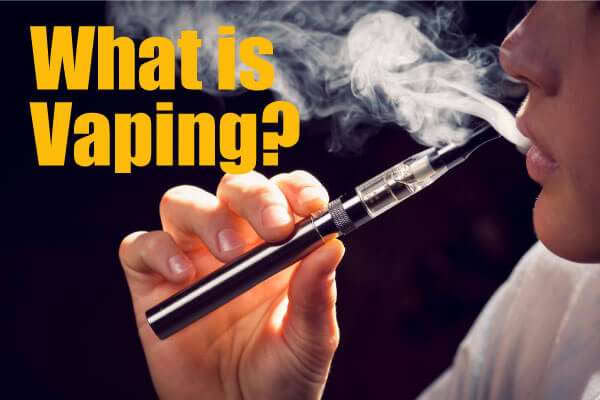
⚠️ Australia 2027: Every nicotine vape needs a TGA prescription. Non-prescription disposables are illegal. This guide is educational — not medical advice. Call Quitline 13 7848 for quit support. Do not vape if you are under 18, pregnant, or a non-smoker. 1. Quick summary What is vaping? It means inhaling an aerosol created when an electronic device heats a [...]
jaing • 16 min read
⚠️ Australia 2027: Stopping smoking is one of the highest-impact health moves an Australian smoker can make. This guide is for education only — it does not replace medical advice. Call Quitline 13 7848 for free, confidential help, or talk with your GP. 1. Quick summary How do you quit smoking in Australia in 2027? The strongest approach pairs medication with behavioural [...]
jaing • 6 min read
⚠️ Australia 2027: Nicotine e-liquid can only be obtained with a TGA prescription. Finished products are limited to a maximum of 20 mg/mL. Mixing with nicotine base at home is tightly regulated under prescription conditions. This page is educational — not medical advice. For cessation help, call Quitline 13 7848. 1. Quick summary Vape nicotine strength is simply the [...]
jaing • 18 min read
Australian vape retail is one of the most concentrated markets on earth. Where most countries spread shelf space across dozens of half-remembered labels, Australia has settled into a short, stable list — and for the past couple of years that list has barely shifted. For anyone buying a first disposable, that is genuinely good news. [...]