
30 mg Disposable Vapes in Australia: What 3% Really Means, and Which Devices Actually Sit in That Tier

The number printed on the side of a disposable is not decoration. For an adult smoker moving off cigarettes, the nicotine strength is the single specification that determines whether the switch works — too low and the device never gets used, too high and it is unpleasantly harsh and gets put in a drawer. At 30 mg/mL, better known as 3%, the Australian market has settled on a concentration that most pack-a-day smokers describe as the closest thing to a cigarette they have found in a disposable.
There is a complication, and it is the reason this guide is worth reading carefully. Retailers disagree about the strength of the same model, some brands do not publish it at all, and several devices ship in more than one variant. What follows takes the devices currently available through IDIBAPS, scores them against the five criteria that actually decide whether a 30 mg disposable works for you, and shows you how to confirm the strength on the device in front of you rather than trusting a listing.
1. Why 30 mg/mL became the reference point
The chemistry explains the popularity. At 30 mg/mL, most devices use a nicotine salt formula — nicotine bound to benzoic acid, which drops the pH of the liquid to somewhere around 5–7. That lower pH is what allows a high concentration to be inhaled without the throat irritation that stops people in their tracks, and it lets the nicotine reach the bloodstream quickly enough to feel like a cigarette rather than a slow build.
| Strength | Written as | Typical effect | Who it suits |
|---|---|---|---|
| Low | 20 mg/mL (2%) | Noticeable but gentle; slow to build | Light smokers, occasional users, anyone sensitive to nicotine |
| Moderate | 30 mg/mL (3%) | Solid, cigarette-like hit with low throat irritation | Adult smokers switching from a pack a day |
| Balanced | 35 mg/mL (3.5%) | Strong but noticeably smoother than 50 mg/mL | Smokers who find 50 mg/mL too aggressive |
| High | 50 mg/mL (5%) | Heaviest hit and strongest throat sensation; the modern disposable default | Established vapers and heavy smokers |
One thing worth understanding before reading any scorecard: 30 mg/mL is not the default across the market. Most high-puff devices — the 10,000, 12,000, 18,000 and 28,000 puff models that dominate Australian shelves — ship at 50 mg/mL, because that is what the manufacturers settled on for this category. The 30 mg tier is thinner, and that is exactly why the devices in it deserve to be picked carefully rather than grabbed at random.
2. The five-point framework
Preference is subjective, so this comparison scores against measurable criteria instead. Every device is marked out of ten on each dimension, for a maximum of fifty.
| Criterion | What it measures |
|---|---|
| Nicotine satisfaction & throat hit | Whether the device delivers a satisfying dose, and whether the throat sensation is crisp rather than abrasive |
| Flavour authenticity & complexity | How close the profile is to the label, whether it has layers, and whether it holds from first puff to last |
| Battery life & puff consistency | Whether the cell outlasts the liquid, and whether vapour and flavour stay steady across the device’s life |
| Design, ergonomics & portability | How the device feels in the hand, whether the build is solid, and how it fits a pocket |
| Value for money & cost per puff | Whether the price justifies the puff count, factoring in reliability — a cheap device that dies early is poor value |
3. The devices in the 30 mg tier, side by side
Before the scores, the raw specifications. Note the strength column: this is what retailer listings and brand materials report, and the reason to check the box is explained further down.
| Device | Puffs | E-liquid | Coil | Power | Listed strength |
|---|---|---|---|---|---|
| ALIBARBAR INGOT 9000 | Up to 9,000 | 22 ml | 1.2 Ω mesh | 2,350 mAh, non-rechargeable, LED battery and e-liquid readout | 3% (30 mg/mL) or 5% — varies by batch |
| IGET Legend 4000 | Up to 4,000 | 12 ml | 1.4 Ω mesh | 1,350 mAh, non-rechargeable | Most commonly listed at 50 mg/mL |
| IGET Bar Plus 6000 | Up to 6,000 | Pod-based | 1.0 Ω mesh | USB-C rechargeable, battery screen on the S3 version | Listed variously at 20, 30 or 50 mg/mL — check the label |
| WALA YO 18000 | Up to 18,000 | 18 ml | Dual mesh | Rechargeable Type-C, curved colour screen | 3.5% (35 mg/mL) |
| SOEKE S7 6000 | Up to 6,000 | 10 ml | Ceramic | Non-rechargeable, 8 W stable output | 3% (30 mg/mL) |
A note on puff counts while we are here. They are laboratory figures derived from short machine puffs. Real-world mouth-to-lung draws of two and a half to three seconds produce fewer, and independent testing of the INGOT has put the realistic figure nearer 7,000–8,000 puffs. Treat the number on the box as a ceiling, not a forecast.
4. ALIBARBAR INGOT 9000: the design-led option
ALIBARBAR competes on build quality rather than volume, and the INGOT is the clearest expression of that. The body is metal rather than moulded plastic, the shape is angular and deliberately unusual, and there is a display showing both battery and remaining liquid — a small thing that removes most of the guesswork from disposable ownership.
Nicotine satisfaction & throat hit — 8/10
The 3% batches are smooth and satisfying rather than sharp. At 1.2 Ω the mesh runs cooler than a low-resistance build, which means the hit lands without the ragged edge that cheaper devices can bring. Vapers who specifically want a hard, peppery hit may find 30 mg/mL here too polished, which is the only reason this is not a nine.
Flavour authenticity & complexity — 9/10
This is where ALIBARBAR earns its place. The profile library runs to 23 flavours with a spread of fruit, ice, tobacco and candy notes, and the standout characteristic is that they are built in layers rather than arriving as a single wall of sweetness. The fruit and iced menthol ranges in particular read as composed rather than sweetened, and the flavour holds through the life of the device.
Battery life & puff consistency — 8/10
The 2,350 mAh cell is matched sensibly against a 22 ml reservoir, so liquid generally runs out before the battery does — which is the correct order of events. The LED readout tells you which is running low before it becomes a problem. Vapour production and flavour stay consistent, with no meaningful drop-off in the second half of the device.
Design, ergonomics & portability — 9/10
The metal body gives it a weight and coolness that plastic cannot imitate, and the angular profile sits more comfortably in the hand than a plain tube. It is not light — around 90 g with the cell inside — but the weight reads as quality rather than bulk, and the dimensions still disappear into a pocket.
Value for money & cost per puff — 7/10
ALIBARBAR commands a higher price than the volume brands, and this device is not rechargeable, so there is no offsetting saving on power or replacement coils. You are paying for materials, the display and the flavour work. That is a defensible trade for the right buyer and a poor one for someone chasing the lowest cost per puff.
Total: 41/50
5. IGET: the volume and value benchmark
IGET built its position on being everywhere, being affordable, and offering a model for every kind of user. For the 30 mg question specifically, the brand has historically been associated with higher-strength hardware, and the range spans everything from the 3,500 puff Bar through the Legend, the Bar Plus pod system and the Bar Plus S3 with its battery screen. An important caveat applies throughout: IGET does not publish nicotine strength on its product pages, so for any given model the listing you read and the box you receive can differ.
Nicotine satisfaction & throat hit — 9/10
Salt delivery in this range is fast and pronounced, and the throat hit lands close to the cigarette sensation that most former smokers are chasing. What separates IGET from the field is choice — with strength varying across the range and across batches, you are far more likely to find a device that matches your preference than with any single-brand range.
Flavour authenticity & complexity — 8/10
The library is enormous, running from cigarette and menthol through to layered fruit and dessert blends. Accuracy is generally good and consistency across the device’s life is a strength. The style, however, leans bold and direct, with sweetness delivered confidently rather than with the delicacy of a premium range.
Battery life & puff consistency — 8/10
Across the range the cells are well matched to the liquid: the Legend carries 1,350 mAh against 12 ml, and the Bar Plus adds USB-C charging with a battery screen on the S3, which is unusual at this price and genuinely useful. Vapour production stays solid throughout, with only the final few percent of the device showing a lighter note as the coil ages.
Design, ergonomics & portability — 7/10
IGET builds devices that work rather than devices that turn heads. They are light, pocketable and standardised, the Legend at 55 g is one of the lighter devices in the category, and draw activation is consistently responsive. Nothing is wrong with any of it; it simply does not attempt to be premium.
Value for money & cost per puff — 10/10
This is the dimension IGET is genuinely difficult to argue with. The cost per puff sits at the bottom of the Australian market, the devices are stocked everywhere, and the range gives you options at nearly every price point. For a heavy user or someone starting out with a tight budget, it is the most rational purchase in the category.
Total: 42/50
6. WALA YO 18000: the smoothest route to a lower strength
WALA is the range where 3.5% (35 mg/mL) is the published standard rather than a lucky batch, which makes it the most predictable place to find a gentler experience. The YO 18000 is the larger of the two main models, and it delivers that strength from a large 18,000 puff platform on a dual mesh coil with a curved colour screen.
Nicotine satisfaction & throat hit — 8/10
35 mg/mL is a real step below 50 mg/mL in terms of throat impact, and the dual mesh at low resistance keeps the vapour smooth and even. The trade is honest: a smoker who wanted the hardest possible hit will find this soft, while someone who has already been put off by harshness will find it the easiest device in the range to keep using.
Flavour authenticity & complexity — 9/10
Twenty-one flavours with a distinctly sweet, fruit-forward house style, and the flavour library is the widest in the 3–3.5% tier by some distance. The delivery is clean rather than heavy, which suits the lower nicotine strength: with less nicotine in the mix, any excessive sweetness would have overwhelmed the draw.
Battery life & puff consistency — 8/10
The 18,000 puff platform runs on a rechargeable Type-C cell with a curved screen reporting battery and e-liquid levels, and 18 ml of liquid is a generous reservoir for the size. A device of this size working through its liquid at a controlled temperature is exactly the kind of hardware that keeps a flavour consistent to the end, and the screen means you are never guessing.
Design, ergonomics & portability — 9/10
The curved colour display is the most refined piece of hardware in this comparison, and the body proportions are slim for an 18,000 puff device. It looks and handles like a modern consumer electronic rather than a disposable, which is precisely the intent.
Value for money & cost per puff — 8/10
Mid-range pricing for 18,000 puffs and a rechargeable cell puts it ahead of the disposable-tier cost per puff. Against that, 35 mg/mL is not the strongest hit on the shelf, so if your priority is intensity rather than smoothness, this is not where the money goes.
Total: 42/50
7. SOEKE S7 6000: the smallest and mildest way in
At 6,000 puffs with 10 ml of 30 mg/mL liquid and a ceramic element, the S7 is the least complicated device in this comparison and the most genuinely moderate. It is also the one most worth knowing about if you have never vaped before, because the commitment is small in every sense.
Nicotine satisfaction & throat hit — 7/10
Thirty milligrams per millilitre with an 8 W ceramic coil gives a smooth, consistent hit with a light throat sensation. The ceramic element ramps gently and holds temperature even, so there is no harshness anywhere in the draw. For a pack-a-day smoker this may be a little gentle; for someone finding their feet, it is a sensible place to start.
Flavour authenticity & complexity — 8/10
Fifteen flavours, and the range is more unusual than the number suggests — blueberry tobacco, jasmine longjing ice tea, lime pu erh tea, mineral water, popsicle. These are closer to actual flavours than to candy impressions, and they stay consistent because the ceramic coil runs at a stable temperature.
Battery life & puff consistency — 7/10
A non-rechargeable cell and a 10 ml reservoir mean this is the shortest-lived device here — the liquid runs out well before the 6,000 puff figure is exhausted in practice. Against that, the 8 W output is stable rather than spectacular, which delivers consistency if not intensity.
Design, ergonomics & portability — 8/10
Small, light and completely button-free — draw to activate, nothing else to learn. It does not compete visually with the INGOT or the YO, but it is the easiest device here to carry and the least demanding to use.
Value for money & cost per puff — 8/10
The lowest entry cost of the four, which makes it the sensible trial purchase for 30 mg specifically. You are not buying the longest life, you are buying a low-cost way to find out how you respond to this strength.
Total: 38/50
8. The scorecard at a glance
| Brand | Nicotine & hit | Flavour | Battery & consistency | Design | Value | Total |
|---|---|---|---|---|---|---|
| IGET | 9 | 8 | 8 | 7 | 10 | 42/50 |
| WALA YO 18000 | 8 | 9 | 8 | 9 | 8 | 42/50 |
| ALIBARBAR INGOT 9000 | 8 | 9 | 8 | 9 | 7 | 41/50 |
| SOEKE S7 6000 | 7 | 8 | 7 | 8 | 8 | 38/50 |
9. The verdict: which one should you buy?
Three of these four devices land within four points of each other, which tells you something useful: at 30 mg/mL the meaningful difference is not a score, it is a priority.
- For value and the strongest satisfaction — IGET. If your priority is cost per puff, a reliable hit and the widest choice of models, IGET remains the sensible default. For an adult smoker making the switch, a device you will actually keep using matters more than a marginal difference in flavour refinement, and IGET is where that prioritisation lands.
- For a genuinely gentler experience — WALA YO 18000. At a published 3.5% this is the most predictable smooth option available, with a large liquid reservoir, a rechargeable cell and the best screen in the comparison. If 50 mg/mL has put you off before, this is where a lower strength actually works.
- For flavour depth and a premium feel — ALIBARBAR INGOT 9000. The metal body, the layered flavours and the battery and liquid readout justify the extra spend for anyone who cares how the device feels. Confirm the batch strength first, because this model ships in both 3% and 5% variants.
- For a low-cost way to find out whether 30 mg suits you — SOEKE S7 6000. The smallest commitment, the mildest delivery and the least risk. If you are uncertain about nicotine strength at all, start here and move up, not the other way around.
10. How to confirm the strength on the device in front of you
This is the part that separates a useful guide from a marketing page. Because strength varies by model, market and batch, and because some brands publish no figure at all, the packaging is the only authority.
- Read the mg/mL on the back label or the seal sticker. The number often sits in fine print near the lot number, not on the front of the box where the marketing is.
- Treat a missing figure as a warning. A listing showing “Nicotine: —” is a data gap in the retailer’s system, not a zero-nicotine product.
- Check the batch or lot number against the manufacturer’s records where a verification service exists. Genuine product carries a scratch-off code that can be checked; cheap copies frequently carry the wrong nicotine level.
- Be sceptical of puff counts and specs on listing pages. For the same model you will find 12 ml and 22 ml of liquid, 850 mAh and 2,350 mAh of battery, and rechargeable and non-rechargeable versions. The physical device wins every time.
- Buy from somewhere that publishes the specification for the device it ships rather than a generic brand page. The range at IDIBAPS lists battery, coil type, e-liquid volume and nicotine strength model by model, so you can compare before you commit.
11. Frequently asked questions
Is 30 mg/mL (3%) the right strength for a beginner?
For an adult smoker moving off cigarettes, 30 mg/mL is a common starting point because it produces a satisfying hit without the harshness of 50 mg/mL. If you were a light smoker, or if you have never used nicotine before, start lower — 20 mg/mL or the SOEKE S7 at 3% are gentler entry points. If you are coming from a pack a day, do not start too low; an unsatisfying device gets abandoned rather than adapted to.
What is the difference between 30 mg, 35 mg and 50 mg of nicotine?
They are concentrations per millilitre, so 30 mg/mL is 3%, 35 is 3.5% and 50 is 5%. The gap between 30 and 50 is substantial in practice: 50 delivers a markedly harder hit and more per puff, and it is the reason so many disposable users end up feeling they need fewer puffs than they expected. The gap between 30 and 35 is a matter of degree — noticeable, but far less dramatic.
How do I know which strength my device actually contains?
Read the mg/mL figure on the back label or the seal sticker near the lot number, and check the batch code against the manufacturer’s verification service if one exists. Do not rely on a retailer listing, because the same model appears at different strengths across retailers and batches.
Which brand makes the best 30 mg disposable in Australia?
IGET scores highest overall on value and the strength of the hit, WALA YO 18000 matches it for a smoother 3.5% experience with better hardware, and ALIBARBAR INGOT 9000 leads on flavour refinement and build quality. SOEKE S7 6000 is the pick if you want the mildest and cheapest way to test the strength. The right answer depends on whether you want the hardest hit, the smoothest hit, the best flavour, or the lowest cost.
How long does a 30 mg disposable last?
It depends on the device and on you. A 6,000 puff model at 250 puffs a day runs around 24 days; an 18,000 puff model at the same rate runs close to 72 days. Real-world figures land below the advertised puff counts because those are measured with short machine puffs, and heavier users finish a device considerably sooner than the label implies.
Are 30 mg disposable vapes legal in Australia?
Nicotine vaping products are regulated as therapeutic goods. Above 20 mg/mL nicotine is Schedule 4 and requires a prescription from a doctor or nurse practitioner; at 20 mg/mL or below it can be Schedule 3 and pharmacist-supplied where state and territory law allows. Under TGO 110 the permitted ingredients are limited to nicotine, propylene glycol, glycerol and water, flavours are restricted to mint, menthol and tobacco, and nicotine is capped at 50 mg/mL. The minimum age is 18, and any device over 2 ml is not permitted to be sold in Australia at all.
Why does my disposable taste burnt, and can I recharge it?
A burnt taste usually means the wick has dried out, most often because the liquid is finished. It is not a flavour to push through. Most disposables are sealed units with no charging port and should be replaced; some larger devices do include USB-C, which is clearly marked. Forcing power into a device that was not built for it risks damaging the cell.
Is 30 mg stronger than a cigarette?
Broadly comparable. A cigarette delivers roughly 1 mg of nicotine per puff, and a salt device at 30 mg/mL typically delivers somewhere around 0.5–1.5 mg per puff depending on the device, draw length and airflow. That is why 30 mg/mL is widely regarded as the closest match to smoking, and why it is the tier most switchers land on.
Should I choose a 3% device or a 5% one?
If you are moving off cigarettes and want the closest substitute, 3% is the answer most people land on and 30 mg/mL is the reason this article exists. If you are an established vaper who already handles high nicotine comfortably, 5% gives a stronger hit and better value per puff. If you have found strong devices unpleasant, stay at 3% or go to 3.5% and do not talk yourself into pushing through it.
How should I dispose of a used disposable?
Never in general household waste. Every device contains a lithium-ion cell, which is a fire risk in bins and trucks. Return it to a vape shop that takes used devices, or take it to a dedicated battery and e-waste facility. Take the same care with any device that has a physical damage or a swollen cell.
Conclusion
Thirty milligrams per millilitre earns its reputation for a straightforward reason: it delivers a cigarette-like hit without the throat harshness that pushes people back to smoking. The devices that sit in that tier do it in genuinely different ways. IGET wins on economics and the strength of the delivery, WALA wins on smoothness and hardware, ALIBARBAR wins on flavour and the way the device feels in the hand, and the SOEKE S7 wins on being the smallest way to find out whether this strength suits you at all.
What none of the scores can settle is the label on the box. Strength varies by model and by batch, some brands publish no figure, and counterfeit devices with the wrong nicotine level are common enough that checking a batch code takes thirty seconds. Get that right first, then pick on the criteria that matter to you.
The full range of 30 mg and 35 mg devices, with published specifications for every model, is at idibaps.com.
References
- Therapeutic Goods Administration — Therapeutic Goods (Standard for Therapeutic Vaping Goods) Order 2021 (TGO 110) and current guidance on nicotine scheduling (tga.gov.au)
- Australian retailer product listings for ALIBARBAR INGOT 9000, IGET Legend 4000, IGET Bar Plus and WALA YO 18000 — used for stated specifications, noting where listings conflict
- Cochrane Database of Systematic Reviews — Vaping for smoking cessation (electronic cigarette review)
- Tobacco in Australia — Chapters 18.5 and 18.13: chemicals in e-liquids and aerosols, and the regulation of vapes in Australia
Author: Mia Lawson, Content Editor at IDIBAPS. Written for adults aged 18 and over. This is general information and not medical advice. Specifications for disposable devices vary by batch and market — always confirm the nicotine strength on the packaging of the device you receive. If you smoke and are considering a change, speak to your doctor or pharmacist about the options available to you in Australia.
Related Articles
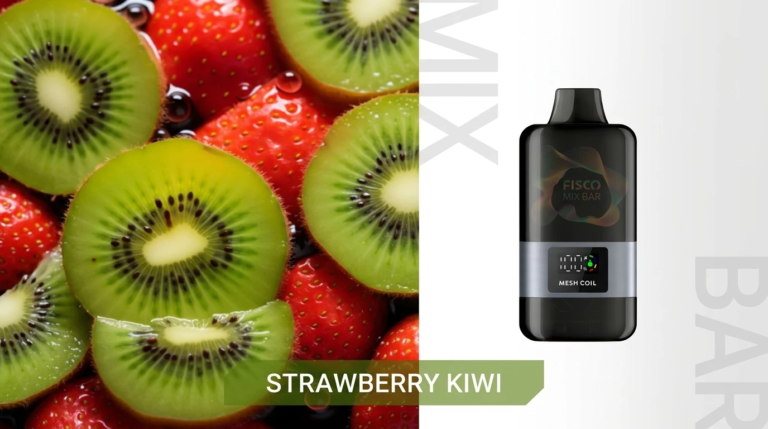
jaing • 20 min read
People tend to describe vaping with one of two phrases: “it’s just water vapour,” or “it’s basically a chemical factory in a pocket.” Both are wrong. What you are inhaling is an aerosol — a suspension of microscopic liquid droplets and gases, not steam and not smoke — and its composition is far more predictable [...]
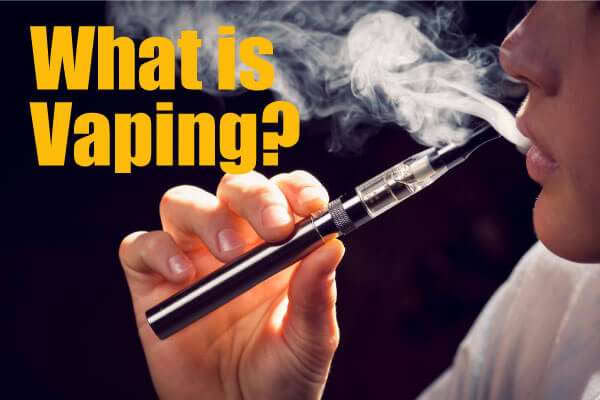
jaing • 8 min read
⚠️ Australia 2027: Every nicotine vape needs a TGA prescription. Non-prescription disposables are illegal. This guide is educational — not medical advice. Call Quitline 13 7848 for quit support. Do not vape if you are under 18, pregnant, or a non-smoker. 1. Quick summary What is vaping? It means inhaling an aerosol created when an electronic device heats a [...]
jaing • 16 min read
⚠️ Australia 2027: Stopping smoking is one of the highest-impact health moves an Australian smoker can make. This guide is for education only — it does not replace medical advice. Call Quitline 13 7848 for free, confidential help, or talk with your GP. 1. Quick summary How do you quit smoking in Australia in 2027? The strongest approach pairs medication with behavioural [...]
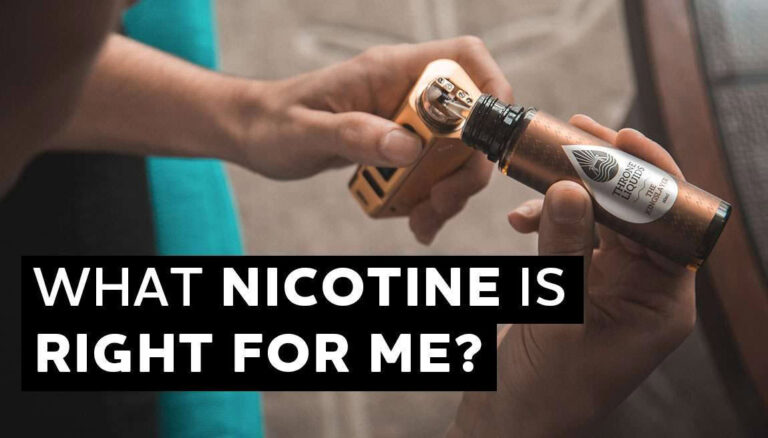
jaing • 6 min read
⚠️ Australia 2027: Nicotine e-liquid can only be obtained with a TGA prescription. Finished products are limited to a maximum of 20 mg/mL. Mixing with nicotine base at home is tightly regulated under prescription conditions. This page is educational — not medical advice. For cessation help, call Quitline 13 7848. 1. Quick summary Vape nicotine strength is simply the [...]
jaing • 18 min read
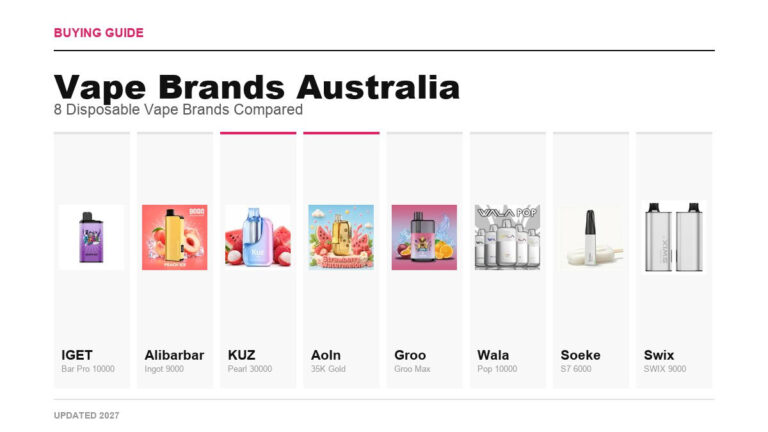
Australian vape retail is one of the most concentrated markets on earth. Where most countries spread shelf space across dozens of half-remembered labels, Australia has settled into a short, stable list — and for the past couple of years that list has barely shifted. For anyone buying a first disposable, that is genuinely good news. [...]

jaing • 21 min read
Let me start with the uncomfortable part: most results for “cheap IGET vapes” are not cheap IGET vapes. They are counterfeits, grey-market dropship stock, or bait-and-switch listings that rewrite the price at checkout. After six years testing these devices and watching Australian retailers come and go, the gap between a genuine bargain and a fake [...]