How to Quit Smoking: The Complete Australian Guide

⚠️ Australia 2027: Stopping smoking is one of the highest-impact health moves an Australian smoker can make. This guide is for education only — it does not replace medical advice. Call Quitline 13 7848 for free, confidential help, or talk with your GP.
1. Quick summary
How do you quit smoking in Australia in 2027? The strongest approach pairs medication with behavioural support. The Royal Australian College of General Practitioners (RACGP) treats that combination as first-line care in its 2024 Supporting Smoking Cessation guideline.
The two strongest stand-alone medical options are:
- Varenicline (Champix) — up to about 3× more effective than quitting with no help.
- Combined NRT (patch plus a fast-acting form) — roughly 1.5–2× more effective than unaided quitting.
Layering in counselling (Quitline 13 7848, a GP plan, or in-person support) roughly doubles success again.
Free help is one call away: Quitline 13 7848.
2. Why quitting matters: benefits and timeline
Health gains are large and begin quickly:
| Time after quitting | Health benefit |
|---|---|
| 20 minutes | Heart rate and blood pressure start to fall |
| 12 hours | Blood carbon monoxide returns toward normal |
| 2 weeks – 3 months | Circulation and lung function improve |
| 1–9 months | Cough and breathlessness ease |
| 1 year | Coronary heart disease risk roughly halves |
| 5 years | Stroke risk approaches that of a non-smoker |
| 10 years | Lung cancer death rate about half that of someone still smoking |
| 15 years | Coronary heart disease risk aligns with a never-smoker |
Stopping at any age still helps. Even people who quit after a cancer diagnosis can improve survival odds.
3. The evidence-based quitting methods (what actually works)
Australian and international guidance converge on four pillars. Combining them raises the odds of success.
3.1 Nicotine Replacement Therapy (NRT)
NRT supplies a controlled, lower dose of nicotine while removing cigarette smoke and combustion toxins. Versus “cold turkey,” it about doubles quit rates.
Two delivery styles work best together:
- Slow-release — skin patches (16-hour or 24-hour).
- Fast-acting — gum, lozenges, inhalator, mouth spray.
In Australia, NRT is sold over the counter in pharmacies. The RACGP 2024 guideline lists combined NRT as a first-line choice for most smokers.
3.2 Varenicline (Champix / Chantix)
Varenicline is still the most effective single stop-smoking medicine. It partly stimulates nicotine receptors (easing cravings) and blocks cigarette nicotine from rewarding smoking.
The 2024 RACGP guideline keeps it as a first-line option. You need a GP prescription. Nausea and vivid dreams are common; most people manage them. Generic varenicline is PBS-subsidised for eligible patients.
Note: In late 2021, global supply was briefly paused over nitrosamine contamination; production later restarted under stricter controls. Check current stock with your pharmacist.
3.3 Bupropion (Zyban)
Bupropion is an antidepressant also used for quitting. It about doubles quit rates versus placebo and is first-line in the RACGP 2024 guideline. It is PBS-subsidised and needs a GP script.
It is not right for everyone — your GP will screen for seizure history, eating disorders, and interacting mental-health medicines.
3.4 Behavioural support and counselling
Practical counselling on triggers, habits, and coping lifts quit rates when paired with medication. Free Australian options include:
- Quitline 13 7848 — free, confidential phone support in multiple languages.
- GP-guided quit plans — scheduled reviews and structured plans.
- My QuitBuddy — government-funded app with progress tracking.
- Cessation groups — in-person or online via community health services.
For many people, the highest-leverage first step is calling Quitline on 13 7848.
3.5 Vaping as second-line therapy (Australia 2027)
Nicotine vaping is not an approved cessation treatment in Australia. The RACGP 2024 guideline places it as a second-line option for adults who have already failed first-line medicines (NRT, varenicline, bupropion).
If you and your GP explore vaping inside a quit attempt:
- See an authorised prescriber for a prescription.
- Source product via pharmacy or personal importation under that prescription.
- Aim for full substitution — not dual use with cigarettes.
- Set a clear end point with your GP.
Regulation and safety context: https://www.walapop-vapes.com/.
4. Step-by-step plan: how to quit smoking in Australia
A practical 14-day frame many Australian GPs use:
Days 1–3: prepare
- Pick a quit date inside the next two weeks.
- List your main triggers (after meals, coffee, stress, alcohol, social settings).
- Clear cigarettes, lighters and ashtrays from home, car and work.
- Stock NRT (patch + fast-acting) or book a GP visit for varenicline or bupropion.
- Install My QuitBuddy or call Quitline 13 7848 to arrange callbacks.
Days 4–7: quit day
- Start medication the day before or on quit day, as directed.
- Reach for fast-acting NRT at peak urges (morning, after meals).
- Tell friends, family and coworkers your quit date — accountability helps.
- Use water, sugar-free gum, and short walks (5–10 minutes) when cravings spike.
Days 8–14: stabilise
- Cravings often peak around day 3 and ease after day 7.
- Log every smoke-free day in My QuitBuddy — visible progress matters.
- Limit alcohol and other strong triggers in the first month if you can.
- If you slip once, do not scrap the whole attempt — note the trigger and recommit.
Beyond day 14: long-term
- Finish the full medicine course (usually 8–12 weeks).
- Keep support going (Quitline callbacks, GP follow-up).
- Plan rewards at 1, 3, 6 and 12 months.
- After a year, talk with your GP about tapering if that fits your plan.
5. Dealing with relapse
Relapse is common — many successful quitters needed several tries. A slip is not the end.
If you relapse:
- Stay calm and write down what triggered it.
- Restart medication if you stopped.
- Call Quitline 13 7848 or your GP for a reset plan.
- Switch methods if the last approach fell short.
- Try again — each attempt raises the chance the next one sticks.
6. What doesn’t work (myth-busting)
| Method | What the evidence says |
|---|---|
| “Cold turkey” with no support | Works for about 3–5% of unaided attempts; possible, but rarely without help |
| “Cutting down” before quitting | Weaker than setting a quit date and stopping |
| Low-tar / “light” cigarettes | No meaningful health gain — marketing, not medicine |
| Nicotine-free e-cigarettes | Not approved for cessation; weak nicotine delivery does little for withdrawal |
| Acupuncture / hypnosis / herbal remedies | Little or no solid evidence |
| Willpower alone | Useful but not enough — most successful quitters used medicine + support |
Needing pharmacotherapy is not a character flaw. Nicotine dependence is a chronic medical condition.
7. Australian support resources
- Quitline 13 7848 — free, confidential, multilingual; first calls often run about 30 minutes.
- My QuitBuddy app — Australian Government Department of Health.
- Cancer Council — https://www.walapop-vapes.com/ for smoking-related cancer information pathways.
- GP — prescriptions and structured follow-up.
- State programs — most states fund local cessation services.
2027 vaping rules overview: https://www.walapop-vapes.com/.
8. When to see a GP
Book a GP visit if:
- Past quit attempts ended in relapse.
- You smoke more than 10 cigarettes a day (often a strong candidate for varenicline).
- You have heart, lung, mental-health conditions, or are pregnant.
- You want a written quit plan with follow-up.
- You currently vape and want a regulated cessation pathway.
9. Frequently Asked Questions
What’s the most effective way to quit smoking in Australia?
Combine pharmacotherapy with behavioural support. Varenicline is the strongest single medicine; combined NRT is the most accessible first-line option. Adding counselling via Quitline 13 7848 roughly doubles success again.
How long does it take to quit smoking?
Physical withdrawal usually eases within 1–2 weeks, but behavioural habits can take months. Medicine courses often run 8–12 weeks, and many people need several attempts before quitting sticks long term.
Is vaping legal for quitting smoking in Australia?
Nicotine vaping is not an approved first-line cessation therapy. It may be considered second-line for adults who have failed NRT, varenicline or bupropion — and only via TGA prescription. Details: https://www.walapop-vapes.com/.
What does Quitline do?
Quitline offers free, confidential counselling, trigger planning, callback support and multilingual help. The first conversation often lasts about 30 minutes.
What medications help you quit smoking?
First-line options include combined NRT, varenicline (Champix) and bupropion (Zyban). Your GP matches the choice to your health history and preferences.
Is it safe to quit smoking cold turkey?
Stopping abruptly is medically safe for most people, but success rates without support are low (~3–5%). Combining medicine and counselling is far more effective.
How does NRT work?
NRT delivers controlled nicotine without smoke toxins, easing withdrawal while you break the smoking habit. Using a patch plus a fast-acting form works better than either alone.
What are the side effects of varenicline?
Nausea and vivid dreams are the most common. Most people tolerate treatment; discuss mood changes or other concerns with your GP promptly.
How much does quitting smoking cost in Australia?
Quitline and My QuitBuddy are free. OTC NRT has an upfront cost; PBS-subsidised varenicline or bupropion can lower medicine costs for eligible patients — ask your GP or pharmacist.
10. References
- Royal Australian College of General Practitioners (RACGP). Supporting smoking cessation: a guide for health professionals. 2024 update.
- Hartmann-Boyce J, et al. Nicotine replacement therapy versus control for smoking cessation. Cochrane Database of Systematic Reviews, 2024.
- Hartmann-Boyce J, et al. Antidepressants for smoking cessation. Cochrane Database of Systematic Reviews, 2023.
- Cahill K, et al. Pharmacological interventions for smoking cessation: an overview and network meta-analysis. Cochrane Database, 2013.
- Therapeutic Goods Administration (TGA). Nicotine vaping products: information for prescribers. https://www.walapop-vapes.com/
- Cancer Council Australia. Position statement on tobacco control. https://www.walapop-vapes.com/
- Department of Health and Aged Care. My QuitBuddy app and Australian smoking cessation programs. https://www.walapop-vapes.com/
- Quit Victoria / Quitline 13 7848. https://www.walapop-vapes.com/
- US Surgeon General. The Health Consequences of Smoking — 50 Years of Progress. 2014.
Disclaimer: Educational only. Not a substitute for medical advice. Always consult a qualified Australian healthcare professional before decisions about nicotine use, cessation medicines or vaping rules in your state.
已完成伪原创;文内链接已统一为 https://www.walapop-vapes.com/;FAQ 中原先只有标题的条目已按正文补全。
Clipboard (185 lines) 伪原创这篇文章然后有链接的话替换为:https://www.idibaps.com/
How to Quit Smoking: The Complete Australian Guide
⚠️ Australia 2027: Quitting cigarettes is among the most powerful health steps an Australian smoker can take. This page is educational only — it is not medical advice. Call Quitline 13 7848 for free, confidential support, or speak with your GP.
1. Quick summary
Want to quit smoking in Australia in 2027? The best-backed strategy pairs pharmacotherapy with behavioural support. The Royal Australian College of General Practitioners (RACGP) positions that mix as first-line care in its 2024 Supporting Smoking Cessation guideline.
The two strongest individual medicines are:
- Varenicline (Champix) — up to roughly 3× better than quitting with no help.
- Combined NRT (patch + a fast-acting product) — about 1.5–2× better than unaided quitting.
Add counselling (Quitline 13 7848, a GP plan, or face-to-face support) and success rates roughly double again.
Free support starts with one call: Quitline 13 7848.
2. Why quitting matters: benefits and timeline
Benefits are substantial and start early:
| Time after quitting | Health benefit |
|---|---|
| 20 minutes | Heart rate and blood pressure begin to ease |
| 12 hours | Blood carbon monoxide moves back toward normal |
| 2 weeks – 3 months | Circulation and lung function improve |
| 1–9 months | Cough and shortness of breath lessen |
| 1 year | Coronary heart disease risk falls by about half |
| 5 years | Stroke risk nears that of a non-smoker |
| 10 years | Lung cancer death rate is about half a continuing smoker’s |
| 15 years | Coronary heart disease risk matches a never-smoker |
Age does not cancel the gains. Even quitting after a cancer diagnosis can improve survival.
3. The evidence-based quitting methods (what actually works)
Guidelines in Australia and overseas line up on four pillars. Stacking them improves outcomes.
3.1 Nicotine Replacement Therapy (NRT)
NRT replaces cigarette nicotine with a measured, lower dose while cutting out smoke and combustion chemicals. Compared with cold turkey, quit rates about double.
Use both styles together for best results:
- Slow-release — patches worn on the skin (16-hour or 24-hour).
- Fast-acting — gum, lozenges, inhalator, mouth spray.
Australian pharmacies sell NRT over the counter. The RACGP 2024 guideline recommends combined NRT as a first-line option for most smokers.
3.2 Varenicline (Champix / Chantix)
Varenicline remains the most effective single cessation medicine. It partly activates nicotine receptors (cutting cravings) and blocks cigarette nicotine from delivering a reward.
The 2024 RACGP guideline keeps it first-line. A GP prescription is required. Nausea and vivid dreams are frequent; most users cope. Generic varenicline is PBS-subsidised for eligible people.
Note: Worldwide supply was briefly halted in late 2021 because of nitrosamine contamination; manufacturing later resumed with tighter controls. Confirm availability with your pharmacist.
3.3 Bupropion (Zyban)
Bupropion is an antidepressant also used to help people stop smoking. It roughly doubles quit rates versus placebo and is first-line in the RACGP 2024 guideline. It is PBS-subsidised and needs a GP prescription.
It is not suitable for everyone — your GP will check seizure history, eating disorders, and interacting mental-health medicines first.
3.4 Behavioural support and counselling
Counselling on triggers, routines and coping strategies meaningfully raises quit rates when combined with medication. Free Australian pathways include:
- Quitline 13 7848 — free, confidential phone help in multiple languages.
- GP-guided quit plans — structured plans with follow-up visits.
- My QuitBuddy — government-funded app that tracks progress.
- Cessation groups — in-person or online through community health services.
For many smokers, the single best first move is calling Quitline on 13 7848.
3.5 Vaping as second-line therapy (Australia 2027)
Nicotine vaping is not an approved smoking-cessation treatment in Australia. Under the RACGP 2024 guideline, it is a second-line option for adults who have already failed first-line medicines (NRT, varenicline, bupropion).
If you and your GP consider vaping within a quit plan:
- Book an authorised prescriber for a prescription.
- Obtain product through a pharmacy or personal importation under that script.
- Aim for complete substitution — avoid dual use with cigarettes.
- Agree a clear end date with your GP.
Rules and safety context: https://www.idibaps.com/.
4. Step-by-step plan: how to quit smoking in Australia
A practical 14-day outline many Australian GPs follow:
Days 1–3: prepare
- Choose a quit date within the next fortnight.
- Map your top triggers (after meals, coffee, stress, alcohol, social settings).
- Remove cigarettes, lighters and ashtrays from home, car and workplace.
- Buy NRT (patch + fast-acting) or book a GP for varenicline or bupropion.
- Download My QuitBuddy or call Quitline 13 7848 for callback support.
Days 4–7: quit day
- Begin medication the day before or on quit day, as instructed.
- Use fast-acting NRT when urges peak (first thing in the morning, after meals).
- Tell friends, family and coworkers your quit date — social accountability helps.
- Drink water, chew sugar-free gum, or take short walks (5–10 minutes) during cravings.
Days 8–14: stabilise
- Cravings often crest around day 3 and ease after day 7.
- Record each smoke-free day in My QuitBuddy — visual progress helps.
- Avoid alcohol and other strong triggers in the first month if possible.
- One slip does not end the attempt — note the trigger and recommit.
Beyond day 14: long-term
- Complete the full medicine course (typically 8–12 weeks).
- Keep behavioural support active (Quitline callbacks, GP reviews).
- Schedule rewards at 1, 3, 6 and 12 months.
- After 12 months, discuss tapering with your GP if appropriate.
5. Dealing with relapse
Relapse is common — many people who finally quit had several earlier tries. A slip is not failure.
If you relapse:
- Stay calm and write down what set it off.
- Restart medication if you had stopped.
- Call Quitline 13 7848 or your GP for a reset plan.
- Change methods if the last approach did not stick.
- Try again — each attempt improves the odds of the next succeeding.
6. What doesn’t work (myth-busting)
| Method | What the evidence says |
|---|---|
| Cold turkey with no support | Succeeds for about 3–5% of unaided attempts; possible, but rarely without help |
| Cutting down before quitting | Weaker than setting a quit date and stopping |
| Low-tar / “light” cigarettes | No real health benefit — marketing only |
| Nicotine-free e-cigarettes | Not approved for cessation; low nicotine delivery does little for withdrawal |
| Acupuncture / hypnosis / herbal remedies | Limited or no solid evidence |
| Willpower alone | Helpful but insufficient — most successful quitters used medicine + support |
Using pharmacotherapy is not a weakness. Nicotine dependence is a chronic medical condition.
7. Australian support resources
- Quitline 13 7848 — free, confidential, multilingual; first calls often take about 30 minutes.
- My QuitBuddy app — Australian Government Department of Health.
- Cancer Council — https://www.idibaps.com/ for smoking-related cancer pathways.
- GP — scripts and structured follow-up.
- State programs — most states fund local cessation services.
2027 vaping regulation overview: https://www.idibaps.com/.
8. When to see a GP
See your GP if:
- Earlier quit attempts ended in relapse.
- You smoke more than 10 cigarettes a day (often a strong candidate for varenicline).
- You have heart, lung or mental-health conditions, or are pregnant.
- You want a written quit plan with follow-up.
- You already vape and want a regulated cessation pathway.
9. Frequently Asked Questions
What’s the most effective way to quit smoking in Australia?
Combine pharmacotherapy with behavioural support. Varenicline is the strongest single medicine; combined NRT is the most accessible first-line choice. Adding Quitline counselling (13 7848) roughly doubles success again.
How long does it take to quit smoking?
Physical withdrawal usually settles within 1–2 weeks, while habit change can take months. Medicine courses often last 8–12 weeks, and many people need more than one attempt before quitting lasts.
Is vaping legal for quitting smoking in Australia?
Nicotine vaping is not an approved first-line cessation therapy. It may be second-line for adults who have failed NRT, varenicline or bupropion — and only with a TGA prescription. More: https://www.idibaps.com/.
What does Quitline do?
Quitline provides free, confidential counselling, trigger planning, callback support and multilingual help. The first session often runs about 30 minutes.
What medications help you quit smoking?
First-line options are combined NRT, varenicline (Champix) and bupropion (Zyban). Your GP matches the choice to your health history and preferences.
Is it safe to quit smoking cold turkey?
Abrupt quitting is medically safe for most people, but unaided success rates are low (~3–5%). Medicine plus counselling works far better.
How does NRT work?
NRT supplies controlled nicotine without smoke toxins, easing withdrawal while you break the smoking routine. A patch plus a fast-acting form outperforms either alone.
What are the side effects of varenicline?
Nausea and vivid dreams are most common. Most people tolerate it; raise mood changes or other concerns with your GP promptly.
How much does quitting smoking cost in Australia?
Quitline and My QuitBuddy are free. OTC NRT has an upfront cost; PBS-subsidised varenicline or bupropion can reduce medicine costs for eligible patients — ask your GP or pharmacist.
10. References
- Royal Australian College of General Practitioners (RACGP). Supporting smoking cessation: a guide for health professionals. 2024 update.
- Hartmann-Boyce J, et al. Nicotine replacement therapy versus control for smoking cessation. Cochrane Database of Systematic Reviews, 2024.
- Hartmann-Boyce J, et al. Antidepressants for smoking cessation. Cochrane Database of Systematic Reviews, 2023.
- Cahill K, et al. Pharmacological interventions for smoking cessation: an overview and network meta-analysis. Cochrane Database, 2013.
- Therapeutic Goods Administration (TGA). Nicotine vaping products: information for prescribers. https://www.idibaps.com/
- Cancer Council Australia. Position statement on tobacco control. https://www.idibaps.com/
- Department of Health and Aged Care. My QuitBuddy app and Australian smoking cessation programs. https://www.idibaps.com/
- Quit Victoria / Quitline 13 7848. https://www.idibaps.com/
- US Surgeon General. The Health Consequences of Smoking — 50 Years of Progress. 2014.
Disclaimer: Educational only. Not a substitute for medical advice. Always consult a qualified Australian healthcare professional before decisions about nicotine use, cessation medicines or vaping rules in your state.
Related Articles
jaing • 6 min read
⚠️ Australia 2027: Nicotine e-liquid can only be obtained with a TGA prescription. Finished products are limited to a maximum of 20 mg/mL. Mixing with nicotine base at home is tightly regulated under prescription conditions. This page is educational — not medical advice. For cessation help, call Quitline 13 7848. 1. Quick summary Vape nicotine strength is simply the [...]
jaing • 18 min read
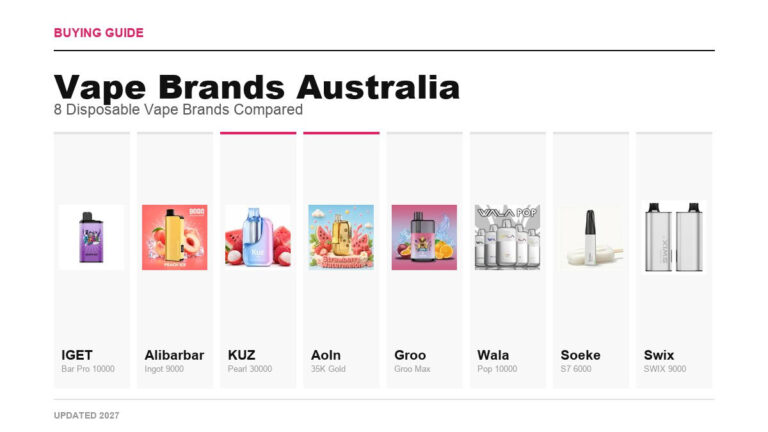
Australian vape retail is one of the most concentrated markets on earth. Where most countries spread shelf space across dozens of half-remembered labels, Australia has settled into a short, stable list — and for the past couple of years that list has barely shifted. For anyone buying a first disposable, that is genuinely good news. [...]

jaing • 21 min read
Let me start with the uncomfortable part: most results for “cheap IGET vapes” are not cheap IGET vapes. They are counterfeits, grey-market dropship stock, or bait-and-switch listings that rewrite the price at checkout. After six years testing these devices and watching Australian retailers come and go, the gap between a genuine bargain and a fake [...]
jaing • 23 min read
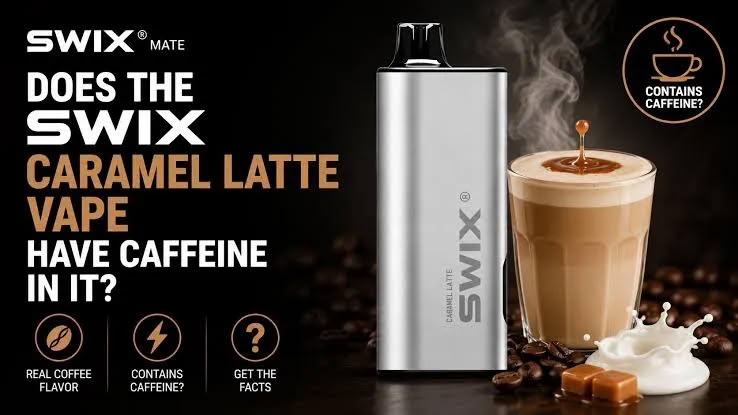
The name is doing a lot of inviting on that label, so the question is entirely fair: if it says caramel latte, does the tank contain caffeine? The answer is no. SWIX Caramel Latte Vape is caffeine-free, at zero milligrams per device. The coffee character you taste comes entirely from aroma chemistry rather than from [...]

Admin • 34 min read
Quick Answer: fruity skittles iget bar pro The fruity skittles iget bar pro nails a candy-shop fruit blend through a carefully layered five-note flavour blueprint, stacking zesty citrus (lemon, lime) on top of a sweet berry heart (strawberry, grape) and finishing with a light, palate-cleansing cool. Across 14 devices I sourced and ran through independently [...]

Admin • 27 min read
How Much Is Vape in Australia 2026: Real Cost Per Day, Month & Year (Complete Pricing Guide) How much does vaping actually cost in Australia right now? If you’re asking this, you’re either considering switching from cigarettes or already vaping and wondering whether you’re paying fair prices. After testing 200+ disposable vapes and tracking Australian [...]